

Understanding Bet Betpawa: Features and Legal Status in Nigeria
⚽ Discover Bet Betpawa’s key features, safe usage tips, payment methods, and Nigeria’s betting legal framework. Get expert guidance to bet smarter today! 💰📱
Edited By
Mohammed Lawal
Gambling in Nigeria operates under a complex legal framework that blends federal and state regulations. While the industry has seen rapid growth, especially online, understanding what is legally allowed can be tricky.
Several laws govern gambling activities, with the principal one being the National Lottery Act of 2005, which regulates lotteries, sweepstakes, and promotional games. Moreover, individual states have the power to control gaming within their borders, leading to variations in how gambling is monitored and licensed.

The National Lottery Regulatory Commission (NLRC) serves as the federal body responsible for overseeing lottery operations nationwide. However, states like Lagos and Rivers have their own gaming boards or committees to regulate local betting houses and casinos. This dual layer of regulation means compliance standards can differ depending on your location.
Lotteries and Raffles: Licensed lotteries run by the government or NGOs are widely accepted.
Sports Betting: Betting on football and other sports is popular and generally legal if conducted through licensed operators.
Casinos: Physical casinos operate in certain states but require strict licensing.
Online Gambling: Online platforms have surged in popularity, though their regulation is less clear-cut. Some operators have secured licences under state or federal guidelines, but others run in a grey area.
The Nigerian government has taken steps to formalise the online gambling space. For example, companies like Bet9ja and NairaBet obtained licences to provide sports betting and gaming services legally. Nonetheless, many platforms operate without clear licences, posing risks to players.
"While gambling offers a boost to the economy and tax revenues, regulators must balance growth with protecting citizens from fraud and addiction."
Security, responsible gambling, and fair play remain top concerns for regulators, especially as more Nigerians engage with mobile betting apps and websites.
Understanding these regulatory nuances is essential whether you're a player wanting to stay within the law, an investor assessing market opportunities, or a policymaker aiming to improve oversight. The next sections will break down these legalities and market dynamics in detail.
Understanding the gambling laws in Nigeria helps players, investors, and regulators navigate the sector with clarity. These laws determine what gambling activities are allowed, who can offer them, and under what conditions. Without this overview, one risks falling foul of rules that can lead to hefty fines or legal trouble.
Knowing the legal backdrop also highlights the contrast between federal and state jurisdictions. For example, Lagos and Ogun states have their own regulations that complement federal rules, affecting how betting shops operate in these areas. This section sets the stage for appreciating the detailed frameworks that govern various gambling forms.
The Gaming Act of 1990 is the cornerstone of gambling regulation in Nigeria. It outlines the main provisions for lotteries, gaming, and betting to ensure operations remain lawful and transparent. Though this act is over three decades old, it remains relevant as it sets general guidelines while leaving room for state-specific rules.
For instance, the Act mandates that anyone engaging in gaming must obtain a licence and operate within predefined rules. This helps avoid illegal gambling dens and protects players from fraud. However, some parts of the law require updating to address today’s online betting surge.
The division between federal and state laws plays a significant role in Nigerian gambling. While the federal government establishes broad controls like the Gaming Act, individual states have authority to regulate licensing and enforcement within their borders. This means the same gambling activity could be legal in one state but restricted in another.
Take Lagos and Ogun for example. They have set up their own gaming boards that issue licences to operators and monitor compliance locally. This layered system aims to balance national regulation with local socio-economic realities, but it can create confusion without clear communication between agencies.
Licensing is arguably the most practical part of these legal foundations. Operators must apply for licences either from state gaming boards or federal bodies depending on their business scope. Holding a licence confirms legitimacy and allows the government to collect taxes and monitor gambling trends.
For players, patronising licensed venues or platforms reduces risk since these operators must meet standards like age verification and fair play. Meanwhile, regulators use licensing data to inform policy and clamp down on unauthorised gambling that can exploit vulnerable Nigerians.
Nigerian law recognises several forms of gambling, with lotteries and raffles being commonly accepted. State lotteries raise funds for social causes by drawing tickets and awarding prizes. These remain popular, but they require proper licences to prevent scams.
For example, the National Lottery Regulatory Commission (NLRC) supervises legitimate lottery operators to ensure the draws are fair and transparent. Illegal lotteries often exploit unsuspecting participants, so adherence to law protects the public.
Sports betting has fast grown into a favourite pastime for many Nigerians, thanks largely to the rise of accessible online platforms like Bet9ja and NairaBet. The law allows sports betting but under strict licensing and operational conditions to protect consumers and curb fraud.
The rapid spread of betting shops and mobile apps means regulators need constant vigilance. Licensed operators must follow rules related to advertising, age restrictions, and reporting, ensuring the market stays healthy and responsible.
Casino operations exist but remain limited, focused primarily in major cities where formal gaming centres hold licences. Casinos must comply with intense regulatory scrutiny covering everything from gaming rules to public safety.
Given the high stakes involved with casinos, these laws help prevent money laundering and criminal activities often linked to unregulated venues. Nigeria's casinos, although fewer, provide a formal environment that contrasts sharply with underground gambling spots across the country.
Compliance with licensing and state versus federal laws is vital, not only for operators but also for players keen to engage in legal, fair gambling.
Ultimately, this legal overview clears fog around Nigerian gambling, laying a solid foundation to explore market dynamics, online trends, and social impact in deeper sections of this article.
Regulatory agencies play a key role in shaping Nigeria's gambling sector, ensuring activities adhere to the law while protecting consumers and generating government revenue. Their oversight includes licensing operators, enforcing compliance, and addressing social concerns linked to gambling. Without these bodies, the industry would be prone to fraud, underage betting, and loss of public trust.
The National Lottery Regulatory Commission (NLRC) is the federal agency tasked with regulating lotteries, sports betting, and casinos in Nigeria. Established to enforce the Gaming Act and ensure legal compliance, the NLRC inspects operators, investigates complaints, and takes action against illegal gambling activities. For example, the NLRC has severally shut down unlicensed operators and warned consumers about scam sites pretending to offer betting opportunities.
Obtaining a licence from the NLRC involves meeting strict conditions around capital requirements, business plans, and security provisions. Operators must apply with detailed documentation and pay prescribed fees before being granted permission to offer gambling services. This process helps weed out dubious operators, ensuring only credible companies run betting platforms or lottery draws. It also safeguards government interests through taxation and fees.
The NLRC promotes responsible gambling by setting rules that protect consumers from fraud and addiction. These include mandating transparency in odds display, ensuring fair play, and providing mechanisms for dispute resolution. The commission also requires operators to have age verification to prevent underage gambling, a concern especially with growing online platforms.
Some Nigerian states have their own gaming boards to oversee local gambling activities. Lagos State, for instance, regulates betting shops and lotteries through its Board of Internal Revenue and Ministry of Economic Planning. Ogun State similarly enforces its gaming laws via a dedicated board. These state-level bodies complement federal regulations by addressing issues unique to their local markets, such as licensing street-level betting operators and monitoring compliance.
State gaming boards work alongside the NLRC and other federal agencies to ensure consistent regulation across Nigeria. While the NLRC sets overarching policies and licensing standards, states manage enforcement on the ground. This coordination prevents regulatory overlap or gaps and helps tackle cross-border illegal gambling. Collaboration extends to sharing intelligence on fraudulent operators and conducting joint inspections where necessary.
Effective regulation depends on clear roles and cooperation between federal and state agencies, which strengthens the sector’s legitimacy and consumer confidence.
Regulatory agencies thus form the backbone of Nigeria’s gambling ecosystem, balancing industry growth with legal and social safeguards. Understanding their mandates helps bettors, operators, and investors navigate this complex market more wisely.
Online gambling has grown rapidly in Nigeria, transforming how people access betting and gaming activities. This rise matters because it extends gambling beyond physical outlets like betting shops and casinos to millions of Nigerians who now place bets from their smartphones or computers. The convenience and accessibility have attracted many, especially younger, tech-savvy Nigerians, making online platforms a major part of the gambling market.
With increasing internet penetration and mobile phone usage, platforms offering sports betting, virtual games, and lotteries attract a broader audience. This shift has practical benefits: players enjoy more flexible gaming options and operators reach wider markets. However, it also raises legal and regulatory questions, especially since Nigeria’s current gambling laws were mainly designed around physical betting venues.
Bet9ja and NairaBet are among Nigeria’s leading online betting sites. Bet9ja, operated by KC Gaming Networks, dominates with a user-friendly interface, appealing odds on football, and a broad range of betting options including live events. Nigerians appreciate its local focus, accepting naira payments and offering promotions that resonate with the Nigerian market.
NairaBet, which predates Bet9ja, also enjoys strong popularity. It offers a solid sportsbook alongside virtual games, lottery opportunities, and the convenience of local payment methods like USSD and bank transfers. Both platforms provide relatively safe and legal options for Nigerians, thanks to their compliance with local licensing rules.
Apart from local players, several international online gambling companies have sought to capture the Nigerian market. Operators like 1xBet and Betway offer various sports betting and casino games. They often bring wider international sports coverage and sometimes higher payout rates, appealing to Nigerians who follow global leagues.
However, these companies typically operate under offshore licences, which can complicate regulation and enforceability of consumer protections. These platforms can face issues with payment processing or tax compliance, but their presence signals Nigeria’s importance as a growing market for global gambling operators.
Online gambling without stringent security measures raises the risk of fraud and cybercrime. Nigerians have reported incidents of fake betting sites, fraudulent transactions, and compromised user data. Since many platforms require personal information and financial details, security breaches can cause significant harm.
Ensuring that operators have robust encryption, authentication procedures, and transparent transactions is vital but remains challenging due to the ease of setting up sites offshore. Regulators face difficulty tracking and prosecuting malicious actors operating outside Nigerian jurisdiction.
One serious challenge of online gambling is controlling access by minors. Unlike physical betting shops where an operator can verify age reliably, online platforms sometimes rely on self-declaration or weak age verification.
This gap exposes youths to gambling risks early, potentially fostering addictive behaviours and financial trouble. Some local operators have started enforcing stricter verification methods, but enforcement is patchy. Raising awareness and demanding better age checks are necessary to protect young Nigerians.
Taxing online gambling revenue presents challenges for Nigerian authorities. Many online operators, especially international ones, base their servers abroad and channel funds through complex payment routes, complicating tax assessment.
Moreover, lack of transparency or reluctance to declare earnings can reduce government revenues from this sector. The Federal Inland Revenue Service (FIRS) and other agencies need improved tracking tools and clearer policies to adequately collect taxes while supporting a fair gambling environment.
The rise of online gambling in Nigeria underscores the need for updated regulations that balance market growth with consumer protection, security, and fair revenue collection.
The gambling industry in Nigeria has expanded rapidly, with significant social and economic effects worth exploring. While the sector offers economic benefits like government revenue and employment, it also presents challenges such as addiction and financial strain. Understanding these impacts helps stakeholders make informed decisions about regulation and participation.
Gambling activities contribute directly to government coffers through licensing fees and taxes. For example, the National Lottery Regulatory Commission (NLRC) collects fees from licensed operators, while state authorities rake in levies on sports betting and casinos. This revenue supports public projects, including infrastructure and social services. In Lagos alone, sports betting companies generate millions of naira in annual tax income, highlighting the sector’s growing fiscal role.
Taxation of gambling also helps formalise a largely informal economy sector, channeling funds through official systems. However, effective tax collection remains complicated by unregistered operators and online gambling platforms based abroad. Addressing these gaps can boost government earnings even more.
Betting shops and casinos offer vital employment opportunities, especially in urban centres. Positions range from shop attendants and cashiers to marketing and tech roles supporting online platforms. For instance, Bet9ja employs hundreds directly and indirectly through its network of agents across multiple states.
These jobs provide income for youths and contribute to local economies, often in areas with limited formal employment. Yet, these roles sometimes offer low wages and limited career progression, so ongoing industry development and regulation are needed to improve working conditions.
Gambling addiction poses a serious problem in Nigeria, where many may not recognise the signs early. Excessive betting can lead to significant financial losses, affecting families and communities. Cases of individuals spending large portions of income on betting or accumulating debts are common, especially during emotionally charged events like football tournaments.
Without appropriate safeguards, vulnerable groups such as youths and low-income earners face a heightened risk of harm. The social consequences include strained relationships, mental health challenges, and sometimes criminal behaviour to cover losses.
To combat gambling-related harm, awareness campaigns and support programmes are crucial. NGOs, government agencies, and industry players have started initiatives to educate the public about risks and promote responsible gambling.
These programmes often use media outreach, counselling services, and self-exclusion tools on betting platforms. For example, some operators limit daily deposits or provide warnings after prolonged play. Increasing such efforts can help Nigerians enjoy gambling as entertainment without falling into dangerous habits.
Balancing the economic benefits of gambling with its social risks requires continuous regulation, education, and stakeholder collaboration.
Both players and regulators must stay informed to ensure the sector grows sustainably without causing undue harm to individuals or society.
Keeping an eye on future changes in Nigeria's gambling laws is essential for anyone involved in the sector—whether you are a player, investor, or regulator. These developments will shape how legal or restricted various gambling activities become, and influence the growth of online betting platforms that have surged in popularity. Moreover, updating regulations will help address emerging challenges like fraud, underage gambling, and tax compliance.
Efforts to regulate online gambling are gaining momentum in Nigeria. The current laws, primarily the Gaming Act of 1990, were written long before digital betting platforms became widespread. This gap leaves online activities less tightly controlled, creating risks around consumer protection and revenue loss for government. Policymakers and stakeholders are discussing how to formalise these operations with clearer licensing rules, stronger age verification procedures, and secure payment mechanisms to stop fraudsters.
Besides online regulations, possible amendments aim to revisit the scope of allowed gambling activities. Some proposals suggest expanding licences to include emerging forms such as virtual casinos or esports betting, reflecting global trends. Others push for tighter restrictions to curb social harm, like limits on bet amounts or mandatory responsible gambling features. These changes could affect operators’ business models and how players access gambling services.
Collaboration between government agencies, operators, and civil society groups is critical to balance industry growth with protecting consumers. For example, the National Lottery Regulatory Commission (NLRC) could work with online platforms and state gaming boards to share data, monitor compliance, and launch awareness campaigns on responsible betting. This partnership approach prevents regulatory gaps and ensures the industry benefits the economy without neglecting social risks.
Looking abroad can offer valuable lessons. Jurisdictions like the United Kingdom and Malta have evolved regulations that support innovation while safeguarding players through mandatory self-exclusion options and transparency standards. Nigerian regulators and operators can adopt similar strategies tailored to local realities, such as incorporating BVN (Bank Verification Number) checks to verify players and reduce underage gambling.
Nigeria’s gambling laws are shifting to meet the realities of a booming digital market and social responsibility. Staying informed and engaged in these changes will help stakeholders navigate the evolving landscape effectively.
In summary, future legal reforms will mend existing gaps, potentially broaden or restrict gambling activities, and depend heavily on stakeholder cooperation. Drawing from international experiences can speed up adoption of balanced practices that stimulate the Nigerian gambling industry responsibly.
⚽ Discover Bet Betpawa’s key features, safe usage tips, payment methods, and Nigeria’s betting legal framework. Get expert guidance to bet smarter today! 💰📱

🎰 Discover the best mobile casinos in Nigeria with trusted licences, local payment options like USSD, and games to keep you entertained anywhere, anytime on your phone! 📱
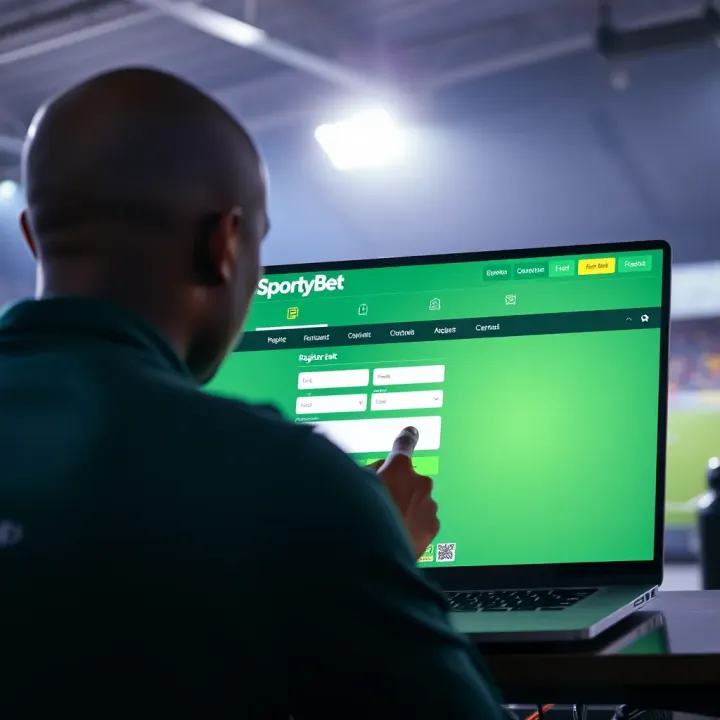
Learn how to register, deposit ₦, and place bets on SportyBet 🎲. Get tips for smarter wagers and manage your funds effectively on Nigeria's popular platform.
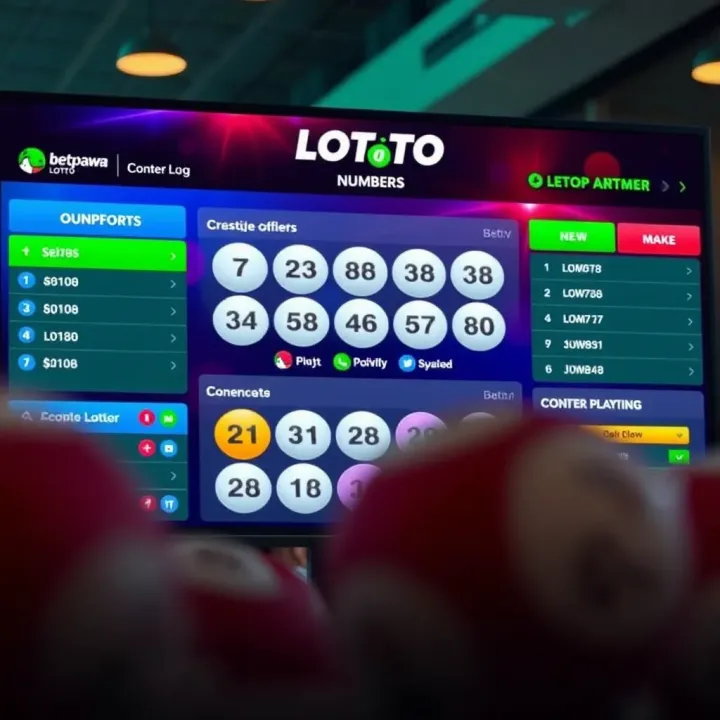
🎰 Explore Betpawa Lotto in Nigeria: how to play, safety tips, and legal insights. Compare with local lotteries for your best chance to win ₦ today! 🇳🇬
Based on 14 reviews