
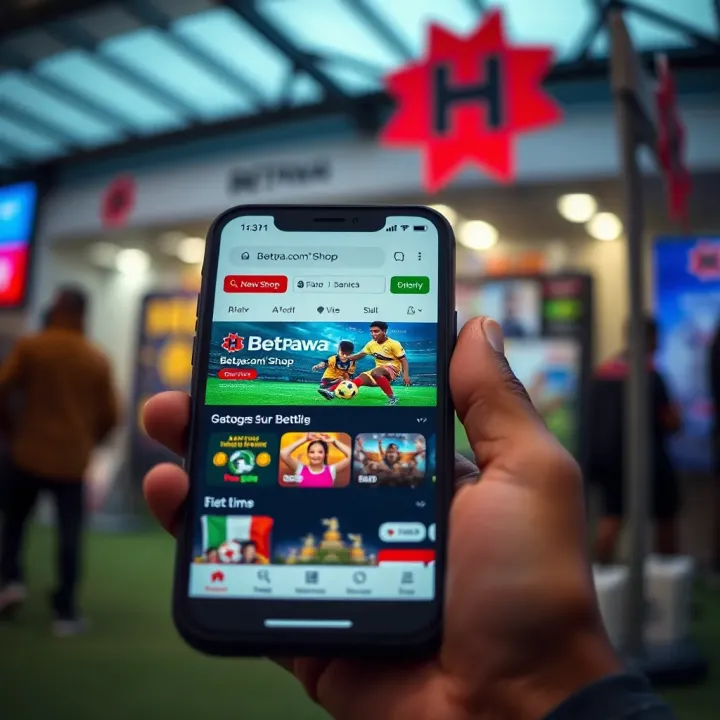
Understanding Betpawa.com Shop for Mobile Betting
📱 Discover how Betpawa.com Shop helps Nigerians on older phones enjoy seamless mobile betting with Betpawa Nigeria. Tips for steady access and smooth bets even on low-end devices.
Edited By
David Anyanwu
Betpawa mobile shop has steadily carved a niche in Nigeria's mobile market, especially among bettors and tech professionals who seek reliable mobile devices without breaking the bank. This shop caters to a growing demand for affordable smartphones and accessories, offering a mix of brand new and second-hand units commonly called 'old mobile devices.'
In Nigeria, buying used phones is not just about cost savings; it's part of a broader culture where many people prefer tokunbo phones due to naira fluctuations and high import duties. These devices often come from Europe, the US, or Asia, and Betpawa mobile shop provides a platform where users can access these phones with some assurance on quality and after-sales support.
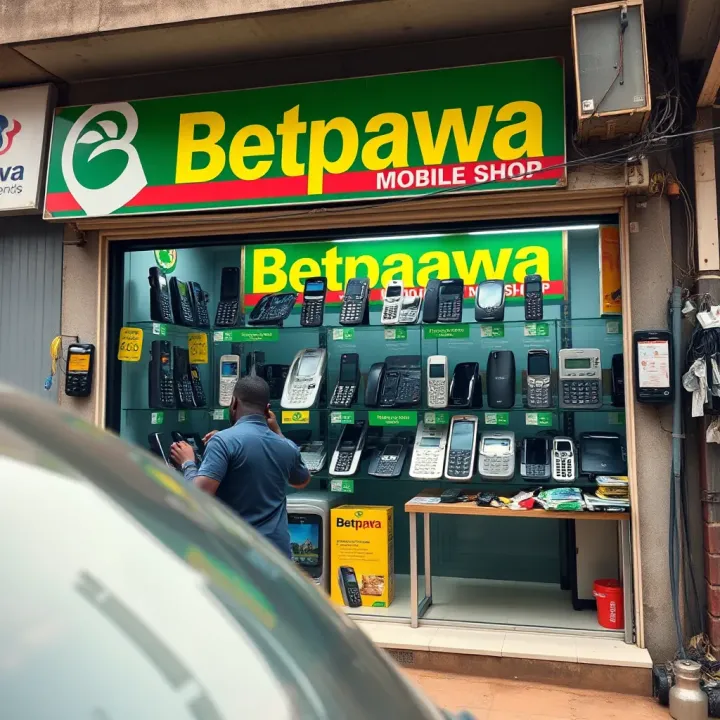
The thing is, Betpawa mobile shop is trusted for balancing cost and quality, which is crucial for Nigerians who need phones that won't stall their daily hustle.
When it comes to old mobile devices, understanding their place in the Nigerian market is vital. Second-hand phones are everywhere—local markets, online platforms, and physical shops—but not all sellers offer genuine products. Betpawa aims to bridge that gap with clearer warranties and better customer service.
Here are some practical takeaways on buying old mobile phones from outlets like Betpawa:
Check the IMEI number: Always verify this to avoid stolen devices.
Test critical functions: Battery life, camera, SIM slots, and charging ports must work seamlessly.
Ask for warranty: Betpawa provides limited warranties, which many general sellers do not.
Beware of software issues: Some old phones come with outdated firmware that can't support recent apps or security updates.
Inquire about accessories: Chargers, earphones, or cases may not always be included, so confirm first.
In essence, shops like Betpawa make purchasing old mobile devices less risky and more convenient for Nigerians. This approach meets the reality many face—wanting to stay connected and competitive without spending ₦50,000 or more on brand new phones.
The article will next explore how Nigerians interact with these old mobile devices daily and offer tips on maintaining them to extend their lifespan, making your ₦ investment count.
Understanding Betpawa Mobile Shop's operations in Nigeria helps clarify why it is a go-to spot for mobile devices and services. Its accessibility and product diversity cater to a wide range of consumers, especially Nigerians interested in convenient mobile solutions. The shop's role is particularly relevant for bettors and tech-savvy professionals who need reliable devices for fast and secure online transactions.
Betpawa Mobile Shop has positioned itself strategically in several key cities, including Lagos, Abuja, and Port Harcourt. This network ensures that both urban and semi-urban users can access their outlets easily without long travel. For instance, Lagos Island and Ikeja branches serve bustling tech communities and casual users alike, making mobile access simple and practical.
Besides physical locations, Betpawa also extends its reach through online platforms, allowing customers across Nigeria—including less accessible states—to shop and receive their orders via reliable courier services. This hybrid approach helps bridge Nigeria’s infrastructural challenges with mobile commerce convenience.
Betpawa Mobile Shop stocks a variety of devices, from brand-new smartphones to certified pre-owned units. They specialise in carrying popular brands such as Tecno, Infinix, Itel, and Samsung—brands well-known and trusted among Nigerians. Alongside phones, they offer accessories including chargers, earphones, and power banks, catering to the complete mobile user experience.
Moreover, Betpawa provides repair services and after-sales support, which is very handy in a country where warranty claims can be complicated. The shop often offers bundled deals—phone plus accessories—which adds value for customers seeking full package purchases.
Nigerian buyers commonly praise Betpawa for its transparent pricing and product authenticity. Many customers report satisfaction with the straightforward buying process and quick responses to queries. For example, online reviews highlight how the shop resolves minor device issues promptly, which is a big plus considering the abundance of counterfeit mobile sellers locally.
Another notable aspect is the consistent availability of devices suited for Nigerian network providers, ensuring compatibility, which often scares away users from importing unfamiliar models. Betpawa’s staff knowledge and friendly approach have contributed to a good reputation among frequent buyers.
Betpawa uses competitive pricing aligned with market rates, making it an affordable option for many Nigerians. Prices reflect real-time market fluctuations, which ensures buyers get fair deals rather than inflated figures. They also organise discounts during holiday seasons to encourage purchases without heavy strain on the buyer's budget.
Payment flexibility is a strong suit too. Customers may pay via bank transfers, POS terminals, or mobile money platforms such as OPay or PalmPay. For online buyers, options include debit/credit cards and bank USSD codes. This variety respects Nigeria’s diverse banking habits and limited cash flow in certain regions.
For Nigerian bettors and professionals, Betpawa Mobile Shop provides dependable access to good-value mobile devices combined with reliable service—an important factor when online activity and fast connectivity are the norm.
This blend of wide accessibility, practical product range, positive user feedback, and payment convenience makes Betpawa a significant player in Nigeria’s mobile phone market.
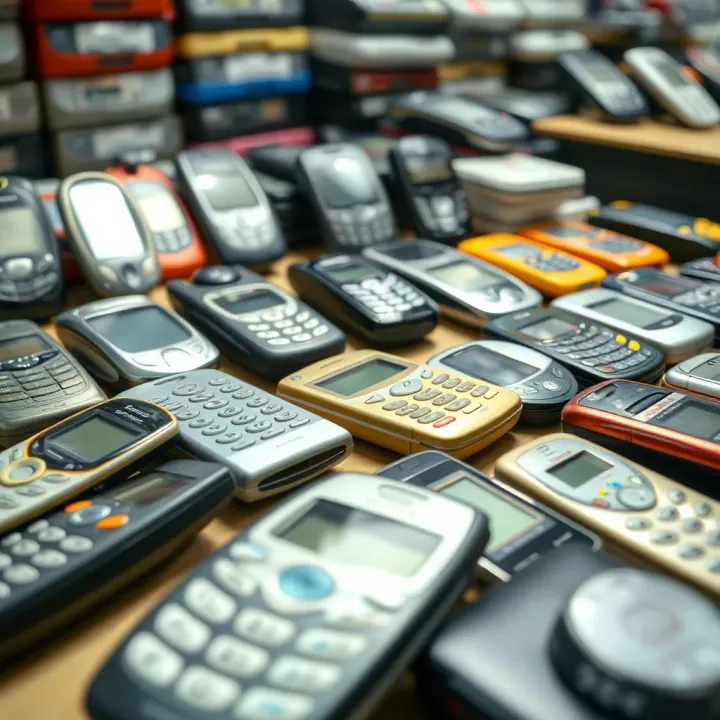
Old mobile phones remain vital in Nigeria's mobile ecosystem. They offer an affordable and accessible alternative for many Nigerians who cannot stretch their budget to buy brand new smartphones. These devices also provide access to models that may never hit the local shelves, fulfilling specific needs within the market.
For many Nigerians, especially those in rural areas or informal jobs, a brand new smartphone can be out of reach financially. Old mobiles sell at significantly lower prices, sometimes less than half the cost of the latest models. This price difference lets buyers stretch their naira, acquire functional phones for essential tasks like calls, SMS, and basic apps, without breaking the bank. For example, a used Tecno or Infinix phone can cost between ₦15,000 and ₦30,000, whereas the new equivalent might be well above ₦50,000.
Besides price, monthly incomes and high living costs often push consumers towards old mobile phones. Many Nigerians rely on these devices as secondary phones or emergency backups, emphasising their value in accommodating tight budgets.
Some phone models popular abroad never officially launch in Nigeria. Old mobile phones imported from overseas fill this gap, providing buyers with access to these unique devices. For instance, certain Samsung or Apple older editions that are no longer in production locally remain available as old mobiles.
This availability allows tech enthusiasts or users with specific preferences to obtain phones with features or designs unavailable in standard new releases here. Sometimes, legacy support for apps or accessories attracts buyers to older models, especially those who need basic functionality rather than cutting-edge specs.
A large share of old mobile phones come into Nigeria as tokunbo units — previously used devices shipped mainly from Europe, the US, or Asia. They often arrive via ports like Apapa and Tin Can Island, then circulate through established networks.
Tokunbo phones typically undergo some refurbishment or testing before resale. Their prices remain competitive due to the volume and circulation cycles. However, buyers need to watch out for potential problems like hidden faults or network locking. Reliable sellers with good reputations help minimise these risks.
Beyond imports, local markets and shops such as Betpawa Mobile Shop have become hubs for second-hand phone sales. They provide convenient access to tested and graded devices with local warranties or return policies.
These shops usually offer a mix of trade-ins, customer exchanges, and refurbished units. Besides physical outlets, many also maintain online platforms to reach a wider audience. In Nigeria’s major cities, buying used phones from established retailers offers more security than informal street vendors.
Buying old mobiles from a trusted source like Betpawa Mobile Shop helps balance affordability with peace of mind, considering local warranty and after-sales service.
Overall, old mobile devices and their various sources play a continuous and practical role for many Nigerians. They not only bridge affordability gaps but also supply variety, making mobile connectivity accessible beyond the reach of new phone buyers.
Buying old mobile devices remains popular in Nigeria because it offers practical benefits but also comes with some notable downsides. Understanding these pros and cons is vital for anyone considering a second-hand phone, whether from Betpawa mobile shop or local markets.
One major reason Nigerians go for old phones is price. New phones, especially from brands like Samsung or Apple, can cost upwards of ₦100,000, which can be a stretch for many people. Meanwhile, an old mobile device—like a tokunbo Samsung Galaxy S9 or a slightly used Tecno Camon—can cost as low as ₦20,000 to ₦40,000. This difference makes owning a smartphone more accessible, especially for students, young professionals, or those on a tight budget.
In addition, cheaper phones mean less worry about loss or damage. People using danfo or okada often prefer affordable old phones because dropping or breaking them won’t be as stressful as losing a high-end new model.
Old mobile devices often stick to straightforward, time-tested designs and software. They are less likely to have complex features that many users don’t need, such as high-resolution cameras or heavy processing power. This simplicity translates to better battery life and less frequent crashes or freezes.
For Nigerians using phones mainly for calls, WhatsApp, or basic apps like betting platforms, old phones generally get the job done well. A Nokia classic or a basic Tecno phone still serves effectively for voice calls, SMS, and light internet browsing without the frills of newer models.
The flip side is that old phones don’t last as long as new ones. Used devices typically come with wear and tear—battery degradation that causes fast draining, cracked screens, or faulty buttons. Even after checking, some defects only become obvious after a few weeks of usage.
For example, a phone without a properly functioning battery might need regular charging, which is costly given Nigeria’s frequent power outages. Also, certain spare parts might be hard to find locally, making repairs expensive or delayed.
Another challenge is the lack of warranty or official after-sales service for old mobiles. Unlike new phones that come with manufacturer warranties, second-hand devices often don’t have any coverage. This means if the phone develops faults post-purchase, you’re mostly on your own.
Buying from stores like Betpawa may offer slightly better security if they provide limited guarantees, but many local outlets don't back used devices with reliable support. This absence of warranty can leave users vulnerable, especially when scammers sell defective phones with no option for return.
When buying old devices, it pays to inspect carefully, ask for any available guarantee, and consider future repair costs before paying up.
Balancing these advantages and challenges helps buyers make smart choices, saving money without getting stuck with unreliable phones. Knowing what exactly to expect from old mobiles guides Nigerians to pick devices that suit their needs and budget best.
Buying old mobile devices is common in Nigeria, especially among bettors and professionals looking for budget-friendly options. However, without the right knowledge, you might end up with a phone that fails you quickly or drains your money on repairs. That’s why practical tips for buying and maintaining old phones are necessary. Being cautious and informed helps you get value for your ₦, avoids scams, and ensures your device lasts longer.
Checking physical condition and battery health is the first step in picking a dependable used phone. Look closely for cracks, dents, or signs of water damage that can cause issues down the line. A screen with dead pixels or scratches may not be a big deal for some, but it limits usability and resale value. Also, battery condition is especially crucial in Nigeria, where power supply isn’t steady and excessive charging cycles can wear out the battery fast. A weak battery will die quickly and add to your expense since replacement batteries for some models can be costly or even unavailable. Try to test the battery by charging it fully and seeing how long it lasts under normal use before buying.
Next, verifying phone authenticity and IMEI registration protects you from stolen or counterfeit devices. The IMEI (International Mobile Equipment Identity) number is unique for every phone. You can check it by dialing *#06# on the phone keypad. After getting the IMEI, verify it on the Nigerian Communications Commission (NCC) database or through trusted smartphone apps. This step helps confirm the phone is genuine and legally registered in Nigeria. Phones without valid IMEI registration may get blocked or barred from network services. Also, counterfeit phones might look like popular models but perform poorly or have security risks. Always ask the seller for original purchase receipts or warranty cards where applicable.
Basic repairs and replacement parts availability matter a lot for second-hand phones. Older models may have spare parts like screens, batteries, and chargers easy to find at local markets or repair centres. For example, Nokia, Tecno, and Infinix models popular in Nigeria often have good parts availability, making repairs cheaper and simpler. But for less common models or imported tokunbo phones, parts may be difficult or costly. Before buying, ask local repair shops if they can easily fix the phone you want. Knowing this avoids spending more money than expected when repairs become necessary.
Lastly, charging habits and software updates influence how long your old mobile device lasts. Avoid keeping your phone plugged in overnight or charging to 100% every time, as this strains the battery. Instead, charge your phone between 20% and 80% when possible to preserve battery health. Also, keep your phone’s software updated to get the latest security patches and bug fixes, which improve performance and protect personal data. Even if your phone no longer receives official updates, installing lightweight antivirus apps and cleaning storage regularly can keep it running smoothly.
A well-chosen and well-maintained old phone can serve you efficiently without breaking the bank, especially when you follow these tips carefully. It makes the difference between a frustrating waste and a smart investment in today’s Nigerian mobile market.
📱 Discover how Betpawa.com Shop helps Nigerians on older phones enjoy seamless mobile betting with Betpawa Nigeria. Tips for steady access and smooth bets even on low-end devices.
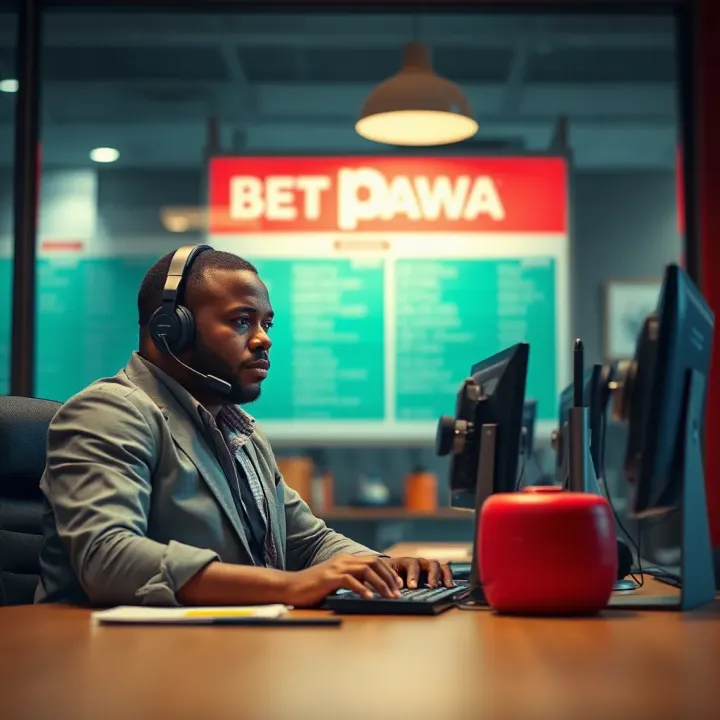
📞 Need BetPawa mobile phone number in Nigeria? Learn how to reach customer support directly, spot official contacts, and solve betting issues securely. ✅
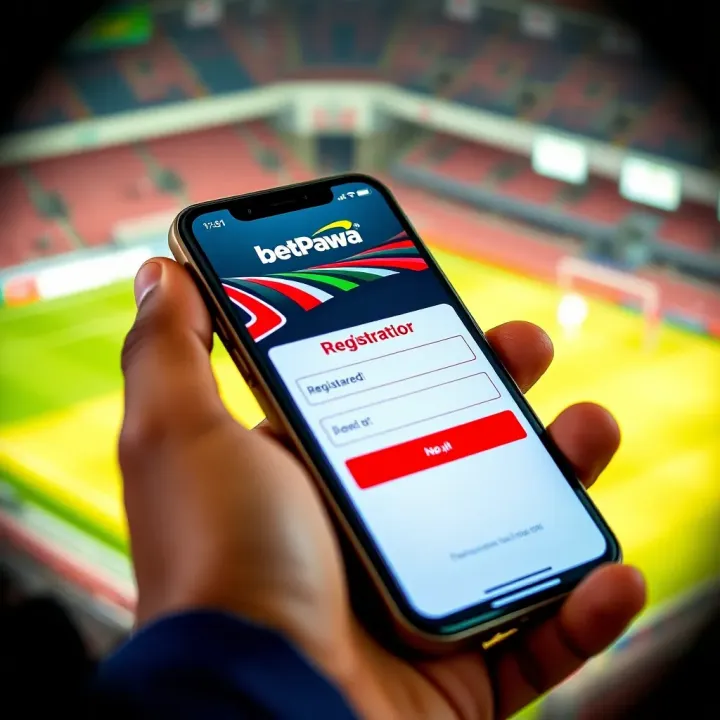
🎯 Learn how to register and log in to BetPawa easily from your phone or PC. Get step-by-step tips, fix common issues, and keep your account safe in Nigeria.
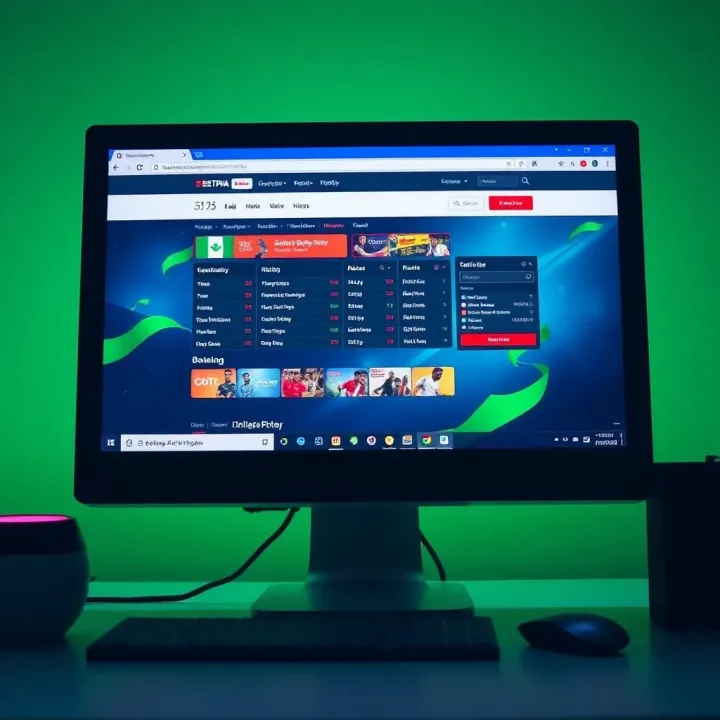
Discover how to register, navigate, and bet smart on Desktop Betpawa 💻🇳🇬. Get tips on local payments, betting options, and support for Nigerian users.
Based on 5 reviews