

Betpawa and Europa League Betting Guide for Nigerians
🎯 Betpawa helps Nigerian football fans bet smart on the Europa League. Learn top strategies, responsible betting tips, and how to enjoy the matches like never before ⚽️💰
Edited By
Tunde Afolayan
Mining in Nigeria spans from small artisanal operators to larger commercial ventures. To truly optimise mining for maximum gains, you must start with a solid strategy that touches on planning, resource evaluation, technology, cost control, and risk management. This section sets the stage by highlighting key foundations that can boost profits and cut down losses.

Begin with a thorough resource assessment. It’s not enough to know that a site contains minerals; you need detailed data on quantity, quality, and accessibility. Geological surveys and sampling, even with modest equipment, help avoid chasing low-grade deposits that drain finances and time.
Example: A small gold miner near Zamfara using handheld XRF analysers improved ore quality selection, increasing their yield by 20% within six months.
Good plans anticipate obstacles. Map out extraction timelines, labour needs, equipment maintenance, and transport logistics in advance. Still, keep room for adjustments due to weather, market shifts or regulatory changes. Plans grounded in reality prevent costly surprises and help secure steady cash flow.
While heavy machinery suits large-scale mines, smaller operations can benefit from affordable tools and digital solutions. Mobile apps for inventory or basic accounting aid organisation. Modern drills and water pumps save effort and improve safety compared to manual methods. Adopting technology is not about flashy gadgets but smart, practical upgrades.
Mining expenses can balloon quickly. Track all costs — labour, fuel, equipment repairs, permits — and analyse which can be trimmed without compromising output. For instance, scheduling generator use efficiently during power outages can reduce fuel bills considerably.
Mining is risky business. Aside from safety hazards, market prices fluctuate and licence disputes arise. Having contingency funds, clear permits, and frequent communication with local authorities helps reduce operational shocks.
Remember: Steady, informed steps beat reckless rush. The best miners don’t just dig for minerals; they mine for knowledge and control.
Putting these basics in place before expanding ensures more stable returns and a sustainable mining venture that lasts beyond the first rainy season or market lull.
A sound mining strategy is the foundation for any mining operation, whether you run a small-scale venture or a large industrial mine. Understanding the basics helps you plan better, manage risks, and make informed decisions that increase your chances of making steady profits. For instance, if you grasp the strengths and weaknesses of your mining method, you can manage costs better and avoid costly mistakes.
Mining strategy refers to the clear plan and set of decisions guiding how mineral resources are extracted, processed, and brought to market. It involves choosing the right mining method, managing operational costs, prioritising safety, and ensuring environmental compliance. Essentially, your strategy ties together geological data, equipment use, labour, and finance to optimise results. For example, a miner who focuses heavily on safety and maintenance upfront often sees fewer accidents and downtime, saving money in the long run.
Artisanal and small-scale mining (ASM) involves individuals or small groups mining with rudimentary tools and limited capital. This type of mining is very common in many Nigerian communities where people seek quick income, often from alluvial deposits like gold or tin. ASM is significant because it provides livelihoods but can also pose safety and environmental hazards if not managed properly. Practical relevance lies in improving miners’ access to safer tools, basic training, and support from mining agencies to increase productivity and reduce risks.
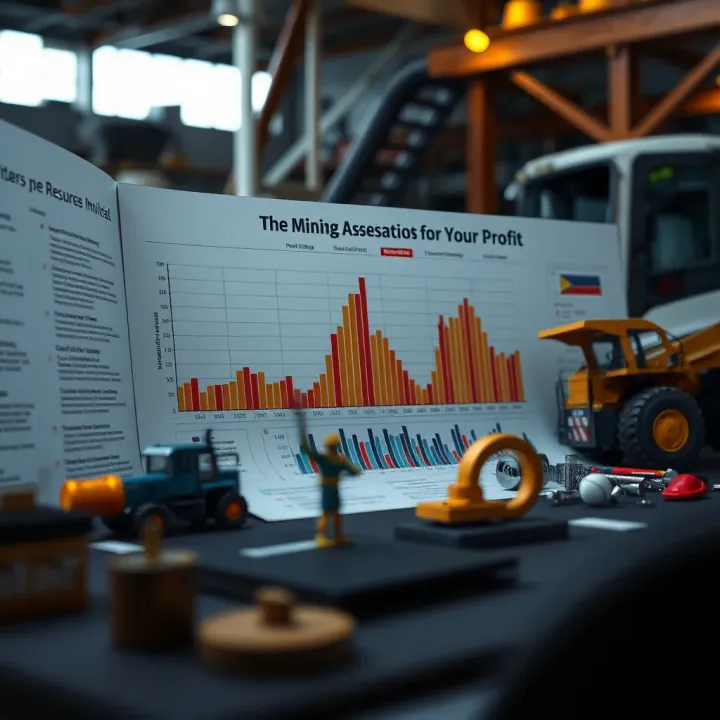
Industrial mining is a large-scale operation typically run by companies with significant capital, machinery, and technical expertise. It often involves heavy equipment, detailed geological surveys, and adherence to stricter regulations. In Nigeria, companies exploiting coal, limestone, or solid minerals like gold often use industrial mining methods. The scale and technical sophistication help ensure higher yields and more controlled environmental impacts, but upfront costs and regulatory compliance are higher, so good financial planning is key.
Open-pit mining involves removing large surface areas to access mineral deposits near the earth's surface. It is generally less expensive and allows easier access to resources but disturbs larger land areas. Underground mining, on the other hand, extracts minerals deep beneath the surface through tunnels and shafts, often chosen when deposits lie far below ground. It is more complex and costly but minimises surface disruption. Nigerian miners must weigh factors like deposit depth, environmental impact, and equipment availability when deciding which approach suits their site.
Understanding the types of mining and how they fit your resources and budget is the first step to improving extraction efficiency and profitability.
To sum up, knowing the basics of mining strategy equips miners with practical knowledge to choose operations that align with their goals. Whether you are an ASM operator or a manager in an industrial setup, assessing mining methods early saves time, cuts losses, and sets the stage for sustainable success.
Assessing mineral resources is the foundation of any successful mining operation. Without a thorough understanding of what lies beneath the ground, mining ventures risk wasted investments and poor yields. This step helps miners not just estimate the potential profits but also decide on the best mining technique and equipment that suit the deposit. For instance, if the mineral deposit is loosely spread but shallow, open-pit mining might be more suitable than underground mining, which is costlier and riskier.
A solid geological survey is the starting point for effective resource assessment. It involves mapping the terrain, analysing rock formations, and identifying mineral-rich zones. Geologists use tools like aerial surveys, satellite imaging, and ground-penetrating radar to get a clear picture of what’s under the soil. Sampling follows the survey; this involves taking rock and soil samples from various points in the mining area to test for mineral content. In Nigeria, artisanal miners often overlook proper sampling, leading to underestimation or overestimation of the deposit. Proper sampling techniques include grid sampling and random sampling, each with its purpose depending on deposit size and geological complexity.
Once samples are collected, the next step is to estimate ore quality (grade) and quantity. The grade tells you the concentration of valuable minerals in the ore, which directly affects profitability. For example, a gold ore with 5 grams per tonne grade is more valuable than one with 1 gram per tonne. Quantity estimation gives an idea of the total amount of ore available. This can be done through block modelling or volumetric calculations. Miners using these estimates can better plan extraction methods and forecast revenue. It's common for miners to carry out preliminary lab analyses in Nigerian university labs or private facilities before making major investments.
Data gathered from surveys and sampling becomes a powerful tool to guide mining decisions. It informs the choice of machinery, workforce size, and even the timing of operations. For commercial miners, integrating data into software for 3D modelling aids precision in excavation, limiting waste and increasing yield. Small-scale miners, although less likely to use digital tools, benefit from keeping detailed records of their sampling results and geological observations. Effective use of data also helps anticipate challenges like water table interference or varying ore quality.
Accurate resource assessment reduces guesswork, saving costs and maximising returns by allowing miners to tailor strategies to real conditions underground.
In summary, sound assessment practices, from geological survey to data application, are cornerstones to optimising mining operations that deliver maximum gains. It ensures miners work smarter, not harder, especially in a landscape where resources and capital must be managed carefully.
Optimising operational efficiency in mining is essential for miners aiming to maximise productivity and reduce unnecessary expenses. Efficiency here means doing more with less—extracting maximum value from available resources while minimising downtime and waste. For both small-scale operations and commercial miners, improving efficiency supports competitiveness, especially when market prices fluctuate or costs rise unexpectedly.
Selecting appropriate equipment tailored to the scale and type of mining operation can significantly improve output and reduce maintenance costs. For example, small-scale miners might benefit from reliable, fuel-efficient excavators and generators instead of larger, more expensive machinery they cannot fully utilise. In contrast, industrial miners require heavy-duty drills and advanced crushing machines that handle large volumes efficiently. Integrating technology such as GPS systems for precise drilling or remote monitoring sensors can cut down on resource wastage and improve safety. Nigerian mining companies like Dangote Cement have adopted modern crushing and milling technology, which helps optimise their raw material extraction and processing.
Effective management of labour ensures the workforce remains motivated, skilled, and safe, directly impacting operational efficiency. Implementing regular training on safe mining practices and machinery handling reduces accidents that can halt operations. Moreover, clear scheduling and rotation of workers avoid fatigue, which often leads to mistakes or slow production. For example, mining firms operating in Jos employ strict safety protocols and employ onsite medics, which has lessened downtime due to injuries. Ensuring workers have proper protective equipment not only meets regulatory standards but also builds trust and productivity among the team.
A safe and motivated workforce is the backbone of any productive mining site.
Miners can cut operational costs by identifying bottlenecks and eliminating redundant steps in their workflow. For instance, combining hauling and loading processes can save time and fuel. Using data analytics to track equipment performance helps schedule maintenance before breakdowns occur, avoiding costly unplanned stoppages. In Nigeria, some mining outfits have introduced mobile apps to coordinate supply deliveries and worker shifts, reducing delays and wastage. Additionally, sourcing fuel and spare parts from local suppliers lowers expenses compared to relying on imported goods. This practical attention to operational flow often results in noticeable savings and faster project completion.
Efficiency in mining doesn’t just improve profits; it lays the groundwork for sustainable growth amid the challenges of Nigeria’s mining sector. By choosing the right tools, managing labour well, and refining processes, miners can build operations that last and truly pay off.
Managing risks and environmental concerns is not just a box to tick for miners—it directly affects profitability, reputation, and operational continuity. Mining, especially in Nigeria, comes with its share of uncertainties like equipment breakdown, fluctuating market prices, and regulatory pressures. Ignoring environmental impact can lead to costly fines and community pushback, which can stall or even halt operations.
Operational risks can arise from equipment failure, human error, or supply chain interruptions. For instance, if a pump in an underground mine fails unexpectedly, water can flood the site, putting workers at risk and halting extraction for days. To reduce such risks, mines should implement routine maintenance schedules and train workers on emergency protocols. Using predictive maintenance technology—from vibration sensors to thermal imaging—helps spot issues before they escalate. Furthermore, risk assessment workshops involving stakeholders ensure everyone knows potential hazards and mitigation plans.
Nigeria’s mining sector operates under regulations that protect land, water, and air quality. Failing to comply can result in penalties from agencies like the Ministry of Mines and Steel Development or the Federal Ministry of Environment. Practical compliance involves regular environmental impact assessments (EIA), proper waste management, and timely reporting. For example, tailings (the leftover materials after minerals are extracted) should be stored safely to prevent contamination of nearby farmlands or water sources. Mines must obtain the necessary environmental licences and renew them as required, showing commitment to national standards.
Sustainability in mining is about reducing environmental footprints while maintaining profitability. Simple steps such as reforesting mined areas, using solar power for remote sites, and recycling water can make a huge difference. One Nigerian artisanal miner integrated manual sorting techniques to decrease chemical use, improving worker health and reducing pollution. Also, community engagement is key—informing locals about mining activities and involving them in monitoring efforts builds trust and helps avoid land disputes.
Embracing risk management and environmental care ensures mining ventures remain viable, socially responsible, and economically fruitful. These aspects safeguard investments and contribute positively to local communities and the environment.
Together, these approaches form the backbone of a solid mining strategy that protects assets and secures future gains.
Financial planning and understanding market dynamics are essential for miners seeking to maximise profits and sustain their operations. Mining projects often demand heavy upfront costs, and unexpected expenses can quickly eat into potential gains. At the same time, commodity prices fluctuate on local and global markets, affecting revenue projections. Proper budgeting, market awareness, and smart investment choices help miners ride these challenges smoothly.
Budgeting should start with a clear breakdown of all costs, from equipment purchase or lease, fuel, labour wages, to site maintenance and regulatory fees. For instance, a small-scale miner in Jos might spend heavily on diesel-driven generators due to unreliable electricity, so allocating enough funds for fuel is critical. Tracking operational expenses regularly helps to identify waste and inefficiencies.
Mining operations benefit from a disciplined approach to cash flow management, ensuring funds are available for both expected and unexpected costs. Cutting corners on safety equipment or proper maintenance often backfires, leading to costly downtime or accidents. Instead, miners can focus on cost-effective practices such as optimising shift schedules, buying equipment from reputable sources like Tokunbo markets to reduce capital expense, and negotiating fuel prices directly with local suppliers.
Mining output only becomes valuable if miners understand the market demand and set competitive prices. For example, demand for tin in Nigeria's Jos Plateau or coal in Enugu depends on industrial activities and exports. Monitoring global commodities’ trends, including prices on exchanges like the London Metal Exchange (LME), helps miners anticipate price swings and plan sales accordingly.
Spotting seasonal trends can also pay off. During the ember months, construction slows down, potentially lowering demand for certain minerals. Timing sales to coincide with peak periods or locking prices in advance with buyers can stabilise income.
Funding a mining venture involves a mix of self-financing, loans, and sometimes grants from government or private investors. Small-scale miners often turn to microfinance banks or cooperative societies for loans to buy equipment. For larger industrial projects, investors might approach commercial banks or seek partnerships with companies like the Nigerian Content Development and Monitoring Board (NCDMB) for funding incentives.
Equity investment is another route, where investors share risks and profits in exchange for capital. This requires clear business plans and transparent reporting. Additionally, miners should explore government schemes that encourage local mining participation, offering subsidies or tax breaks.
Financial discipline and market savvy are the cornerstones of mining success. When properly handled, miners can outperform market volatility and secure steady profits despite challenges.
By focusing on tight budgeting, staying alert to market signals, and securing suitable funding, miners stand a better chance of sustaining and growing their operations in Nigeria’s competitive mining landscape.
🎯 Betpawa helps Nigerian football fans bet smart on the Europa League. Learn top strategies, responsible betting tips, and how to enjoy the matches like never before ⚽️💰
Based on 6 reviews