

How to Play Aviator on BetPawa: Nigerian Gamer's Guide
Learn how to play Aviator on BetPawa 🎮: create your account, master game rules, manage your ₦ bets wisely, and enjoy safe, fun betting in Nigeria 🇳🇬 today!
Edited By
Ngozi Chukwu
Aviator Nigeria has become one of the standout players in the Nigerian aviation industry, carving its space through steady growth and strategic service delivery. Born from the country's demand for improved domestic air travel, this company has steadily expanded its network and fleet since inception. Its focus on regional connectivity addresses a gap many air travellers face, especially within Nigeria and neighbouring West African countries.
With Nigeria’s road networks often challenged by traffic congestion and poor maintenance, the convenience of air travel holds undeniable appeal. Aviator Nigeria capitalises on this by offering scheduled and charter flights that link key cities, such as Lagos, Abuja, Port Harcourt, and Kano, cutting travel time from hours to mere minutes. This not only saves time but boosts business efficiency and encourages tourism within the country.
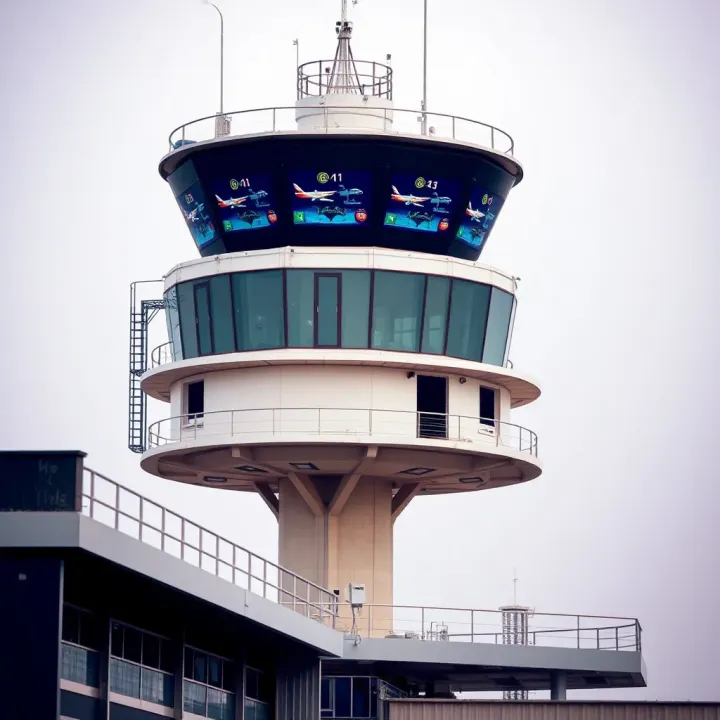
The regulatory environment in Nigeria’s aviation sector is strict and evolving, with agencies like the Nigerian Civil Aviation Authority (NCAA) ensuring safety and compliance. Aviator Nigeria adheres rigorously to these standards, which has earned it a reputation for safety and reliability—critical factors for Nigerian travellers becoming increasingly safety-conscious. This commitment has allowed the airline to build trust in a market where low-cost and inconsistent services previously dominated.
The company has also leveraged technology to improve customer experience. Online booking platforms and mobile apps help passengers check schedules, book flights, and receive real-time updates. Many tech-savvy professionals, including adult bettors and gamblers who often travel between Nigeria’s financial hubs, find these digital solutions practical and time-saving.
Challenges remain, such as fluctuating aviation fuel prices and currency volatility impacting operating costs. Yet, Aviator Nigeria’s management continues to explore innovative solutions, including partnerships with local airports and fintech platforms for smoother payment options.
Aviator Nigeria’s role transcends transportation; it actively contributes to fostering commerce, tourism, and regional integration—key drivers of Nigeria’s economic growth.
In sum, Aviator Nigeria is steadily shaping the aviation landscape with quality services and practical solutions, positioning itself well against future opportunities amidst Nigeria’s evolving transport demands and economic shifts.
Understanding Aviator Nigeria’s beginnings is essential to grasping its present role in Nigeria’s aviation sector. This overview sets the foundation by exploring the company’s roots and the driving principles behind its establishment. For readers interested in how the airline has grown or impacted the domestic and regional air network, knowing where it started clarifies its journey and aspirations.
Aviator Nigeria began operations in 2014 amid a growing demand for reliable air transport within West Africa. The founders identified a gap in the regional connectivity landscape, where many smaller cities and business hubs lacked regular, dependable flights. Starting with just three aircraft, Aviator positioned itself as a domestic carrier serving underdeveloped routes, which larger airlines often overlooked. This strategic focus allowed it to tap into business travellers, government officials, and expatriates who needed direct, efficient travel options.
The company also committed to local staffing, training pilots and ground crew within Nigeria, reducing reliance on foreign experts. This approach helped generate jobs and build aviation expertise locally. For example, Aviator’s flight training school in Ikoyi, Lagos, launched shortly after the airline’s establishment, now supports the ongoing need for pilots and aviation technicians in the country.
Aviator Nigeria was built on a clear vision: to expand affordable and safe air travel across Nigeria and neighbouring countries, improving economic integration and mobility. Its mission prioritises safety, customer satisfaction, and supporting national development through improved logistics and connectivity.
This vision reflects Nigeria's growing economy and urbanisation trends, where swift, reliable transport aids business activities and government operations. Aviator aims to complement larger carriers by serving niche markets and routes with untapped potential. Its safety protocols align with Nigerian Civil Aviation Authority (NCAA) standards, ensuring passenger confidence despite sector challenges.
Aviator Nigeria’s origins highlight practical solutions to Nigeria’s transport gaps, combining job creation, skill development, and focused route coverage. These foundations play a key role in its ongoing impact on the aviation sector.
By establishing roots in local communities and addressing specific travel needs, Aviator set itself apart early, creating a model that blends commercial success with national service.

Aviator Nigeria plays a significant role in the country's aviation sector, largely due to its comprehensive suite of core services. These services address both the growing demand for air travel and the need for skilled aviation professionals and reliable aircraft support. Understanding these core offerings gives a clear picture of how Aviator Nigeria sustains its presence and influence in the industry.
Aviator Nigeria operates a network of routes connecting major urban centres and key regional hubs. This service is vital, considering Nigeria's size and traffic congestion in cities like Lagos and Abuja. For example, flights between Lagos and Port Harcourt reduce several hours of road travel to just about an hour in the air, offering business travellers and tourists a convenient alternative to long drives on often unpredictable roads. On the regional front, Aviator Nigeria extends its reach to neighbouring West African countries, supporting trade and tourism within ECOWAS. This regional connectivity stimulates local economies by easing cargo and passenger movement across borders, which is especially helpful for markets and small businesses relying on speedy deliveries.
Aviator Nigeria invests heavily in flight training and aviation education, helping to fill the skills gap in a sector often challenged by a shortage of qualified personnel. The company runs a certified flight school in Lagos where aspiring pilots undergo rigorous training that meets international licensing standards. Beyond pilot training, courses in air traffic control, aviation safety, and aircraft engineering are offered to build a workforce that can support the complex operations typical in modern aviation. This focus on education ensures a pipeline of local talent, reducing Nigeria's dependence on foreign expertise and creating job opportunities in the aviation ecosystem.
Reliable aircraft maintenance is non-negotiable in aviation, and Aviator Nigeria provides comprehensive maintenance support that is critical to flight safety and operational continuity. Their maintenance hubs perform routine checks, repairs, and overhauls on a variety of aircraft ranging from small commuter planes to larger regional jets. Having such services available locally cuts down costly and time-consuming flights abroad for repairs. This also means reduced downtime for airlines and quicker turnaround times, which benefits passengers with better scheduling reliability. Supporting the maintenance needs of cargo and passenger aircraft alike, Aviator Nigeria helps maintain the health of the fleet that powers Nigeria’s air transport network.
In sum, Aviator Nigeria's core services – flight operations, training, and maintenance – form the backbone of its contribution to the nation’s aviation industry. These functions not only enhance connectivity and safety but also empower local talent and infrastructure, essential for sustained growth amid Nigeria’s dynamic economy.
Together, these services underscore why Aviator Nigeria continues to stand out in Nigeria’s aviation landscape, making travel smoother and fostering industry growth despite challenges faced in the local market.
Regulation is the backbone of Nigeria's aviation sector, ensuring safety, efficiency, and orderly growth. For a company like Aviator Nigeria, adhering to the country's regulatory framework is non-negotiable. It guarantees legal operation, builds passenger trust, and aligns the airline with international standards that Nigeria is obliged to follow.
The Nigerian Civil Aviation Authority (NCAA) oversees all civil aviation activities across the country. Established to regulate safety, licensing, airworthiness, and operations, the NCAA ensures that companies like Aviator Nigeria follow strict rules. For example, the NCAA conducts regular audits and inspections to verify that aircraft are fit to fly and that operators meet operational standards. Failure to comply can lead to sanctions including suspension of flight operations or hefty fines.
Beyond enforcement, NCAA supports capacity building through training in safety management systems and air traffic control technology. Its role extends to shaping policies that affect domestic and international Nigerian airspace. Recently, NCAA introduced more rigorous licensing processes for pilots and maintenance engineers, directly impacting Aviator Nigeria's quality standards.
Safety certification remains central to regulatory compliance for all Nigerian airlines. Aviator Nigeria must ensure its fleet meets the airworthiness criteria set by both NCAA and the International Civil Aviation Organization (ICAO). This involves comprehensive maintenance schedules, detailed record-keeping, and operating within prescribed limits set for aircraft age and technical capability.
Furthermore, the airline must adhere to safety management practices, including emergency response drills and staff training on safety protocols. These practices help minimise risks such as mechanical failures or passenger security threats, which remain major concerns with Nigeria's heavy travel demand.
Compliance with safety standards is not just legal formality but a critical factor in protecting lives and boosting economic confidence in Nigerian aviation.
Aviator Nigeria’s commitment to upholding these regulatory requirements positions it among the reputable operators in a competitive market. The regulatory framework, while sometimes challenging due to evolving policies, creates a safer and more reliable environment that benefits operators and passengers alike.
Aviator Nigeria faces several pressing challenges that shape its operations and growth prospects in the aviation sector. Understanding these challenges is vital to grasp the company's current standing and future potential. From economic strains affecting operational budgets to infrastructural deficits and stiff competition, Aviator Nigeria navigates a complex environment that demands strategic responses.
The rising cost of aviation fuel is among the most immediate burdens on Aviator Nigeria’s operational expenses. With the naira's vulnerability to foreign exchange fluctuations, importing jet fuel becomes considerably expensive. For example, in 2023, a barrel of jet fuel cost soared beyond anticipated forecasts, pushing operational costs higher. On top of fuel, maintenance parts—often sourced from international suppliers—face inflation, contributing further to cost pressures. Additionally, inflation in Nigeria means salaries and allowances for skilled personnel also rise, increasing the wage bill. These economic factors force Aviator Nigeria to carefully manage cash flow and pricing strategies without compromising quality or safety.
Airport infrastructure in Nigeria struggles to keep pace with demand. Many facilities lack modern navigation aids and face frequent power outages, compelling the use of generators that add to running costs. For instance, Lagos’s Murtala Muhammed Airport often experiences congestion and delays that impact flight schedules, a problem that indirectly affects Aviator Nigeria’s efficiency. On the security front, threats such as vandalism, theft, and occasional breaches at airports and maintenance sites raise concerns about asset protection. The company invests in security measures to safeguard aircraft and ground equipment, but these add another layer of expense. These infrastructure and security issues remain a constant hurdle in operating smooth and reliable services.
Competition in Nigeria’s aviation market has intensified, with several established and emerging airlines vying for the same customer base. Airlines like Arik Air, Air Peace, and Dana Air maintain strong domestic and regional routes, challenging Aviator Nigeria to differentiate its services. This rivalry puts pressure on fares and service innovation. Moreover, the entry of low-cost carriers has disrupted traditional pricing models. To stay relevant, Aviator Nigeria must continuously evaluate its value proposition, focusing on routes underserved by competitors or enhancing flight frequency and customer experience.
Navigating these challenges requires Aviator Nigeria to adopt flexible strategies and invest in efficiency improvements. Addressing economic costs, infrastructure deficits, and market competition head-on will shape the company’s ability to sustain growth in Nigeria’s evolving aviation industry.
Looking ahead, the future for Aviator Nigeria holds promising opportunities if the company continues to adapt and innovate within Nigeria’s dynamic aviation sector. Understanding this outlook helps stakeholders appreciate how the company might grow, overcome challenges, and contribute more substantially to the country's air transport network.
Aviator Nigeria stands well-placed to broaden its reach across West Africa. Regional expansion not only increases its customer base but also strengthens economic ties between Nigeria and neighbouring countries like Ghana, Côte d'Ivoire, and Senegal. For instance, establishing regular flights to Accra or Abidjan could tap into rising business and leisure travel demand, especially as trade within ECOWAS intensifies. This move would require careful route planning, attention to bilateral air service agreements, and competitive pricing to attract passengers who now rely heavily on road transport or costly foreign carriers.
Embracing modern technology can transform Aviator Nigeria’s operations and customer experience significantly. Implementing advanced booking systems, mobile apps, and real-time flight tracking aligns well with Nigerian tech-savvy travellers who expect convenience and transparency. On the operational side, adopting fuel-efficient aircraft and predictive maintenance technologies could reduce downtime and costs, a must in a market where fuel prices and foreign exchange rates fluctuate unpredictably. Additionally, integrating digital payment systems like Paystack or Flutterwave helps attract younger clientele familiar with fintech platforms.
Building strong partnerships with the Nigerian government and private sector is vital for sustainable growth. Aviator Nigeria can benefit from government incentives aimed at improving aviation infrastructure, such as upgraded airports and improved security measures. Collaborations with private companies in hospitality and logistics could also create bundled travel packages that enhance overall passenger experience. Public-private partnerships might ease the burden of capital-intensive projects, such as acquiring new aircraft or expanding training centres. Moreover, alignment with national policies promoting local content and job creation can position Aviator Nigeria favourably for regulatory support.
The aviation sector in Nigeria presents both challenges and untapped potential. Companies like Aviator Nigeria will need to be bold and strategic, blending technology, regional insight, and partnerships to carve out a strong, lasting niche.
In summary, the future is about diversifying routes, leveraging technology to improve efficiency and customer satisfaction, and fostering robust alliances. This approach could ensure Aviator Nigeria not only survives but thrives amid Nigeria’s complex aviation landscape.
Learn how to play Aviator on BetPawa 🎮: create your account, master game rules, manage your ₦ bets wisely, and enjoy safe, fun betting in Nigeria 🇳🇬 today!

Discover BetPawa Aviator APK 🎮: Learn how to download, install, and use this app in Nigeria 🇳🇬. Get tips for safe, responsible betting with ₦ payouts and smooth experience.

🎰 Discover the best mobile casinos in Nigeria with trusted licences, local payment options like USSD, and games to keep you entertained anywhere, anytime on your phone! 📱

Learn how to register, deposit ₦, and place bets on SportyBet 🎲. Get tips for smarter wagers and manage your funds effectively on Nigeria's popular platform.
Based on 12 reviews